Bacalar Lagoon Guide: Things to Do, Where to Stay and Travel Tips
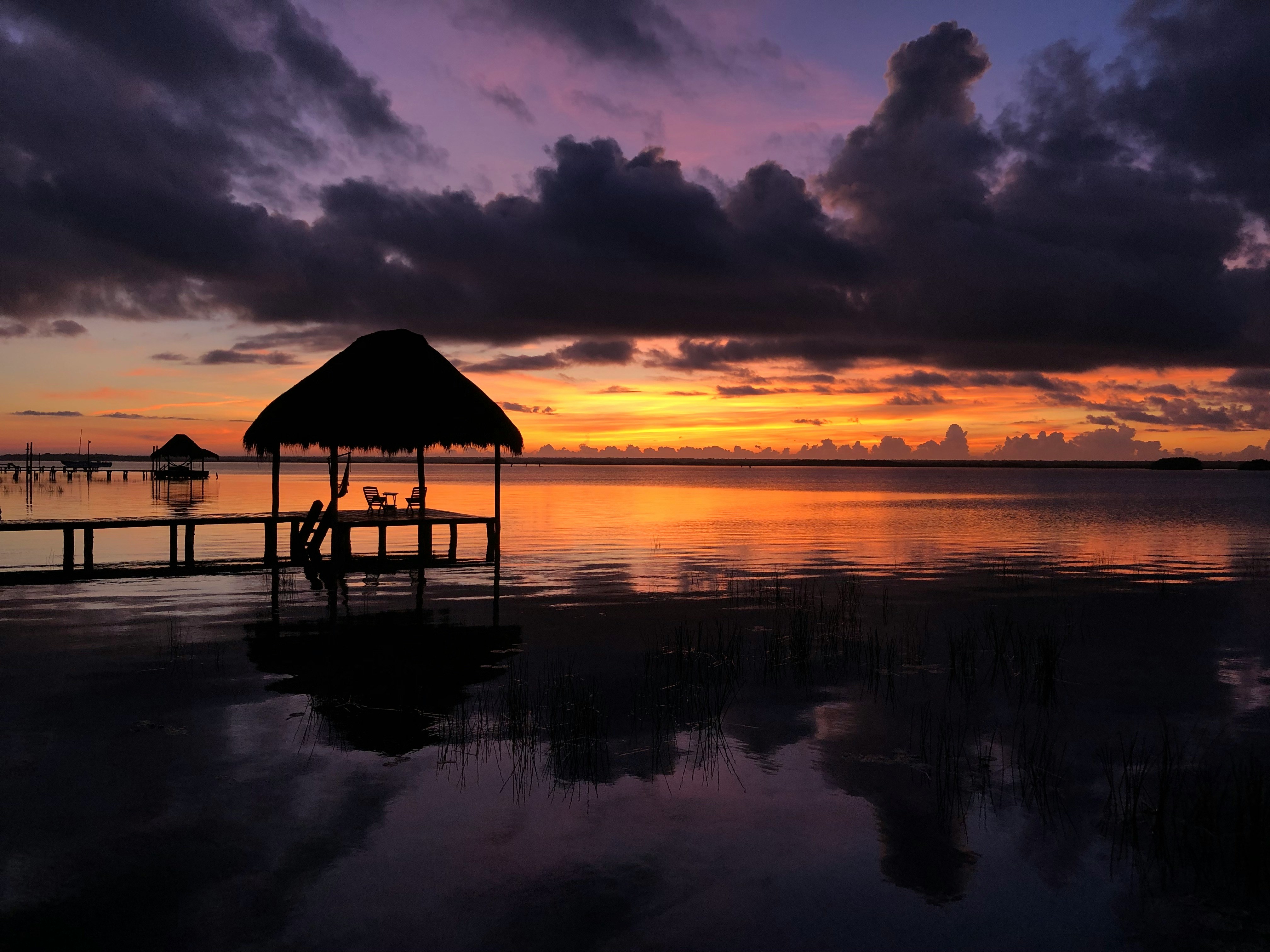
Bacalar is not a beach town with a lake attached. The Lagoon of Seven Colors is the trip—and it deserves more than one rushed afternoon.
Bacalar Lagoon looks edited even when you are standing beside it. The water moves from pale turquoise to sapphire and then suddenly to a blue so dark it feels like someone changed the filter halfway across the lagoon. That color comes from changing depths, limestone and connected cenotes—not from a social-media preset.
This Bacalar Lagoon guide is for travelers who want more than a quick boat photo. It explains what is worth doing, where to stay, how to get there and how to avoid damaging the stromatolites and freshwater ecosystem that make Bacalar special. Cancún is loud in a fun way. Bacalar is what happens when Quintana Roo lowers its voice.
What Is Bacalar and Where Is It?
Bacalar is a small town in the far south of Quintana Roo, approximately 40 kilometers north of Chetumal and not far from the border with Belize. Technically, it is not part of the Riviera Maya, it sits farther south, but it is one of the best additions you can make to a trip through Cancún, Playa del Carmen or Tulum.
By road, expect approximately three to three and a half hours from Tulum and around four and a half to five hours from Cancún. Travel times vary because Highway 307 occasionally has its own plans, and those plans do not always involve respecting your itinerary. An ADO bus can take longer, particularly from Cancún, but it remains one of the easiest options for travelers who do not want to rent a car.
The most important thing to understand is that Bacalar is not a beach destination. The enormous body of water beside the town is a freshwater lagoon, not the Caribbean Sea. Its colors are created by differences in depth, white limestone soils, sunlight and several cenotes connected to the lagoon’s underground water system. The result looks tropical enough to confuse your brain, but there are no waves, no salt and, thankfully, no sand aggressively following you back to your hotel room.
The lagoon stretches for roughly 42 kilometers, which means this is not a decorative little lake beside the town square. It is a complete ecosystem, and a fragile one.
Why Bacalar Is the Riviera Maya’s Best-Kept Secret
Let me clarify something: Bacalar is not completely secret anymore. People have Instagram. Secrets have become very difficult.
But compared with Cancún or Tulum, Bacalar still feels wonderfully low-key. There is no cruise terminal on the lagoon, no skyline of giant resorts and no hotel zone designed to separate visitors from the actual town. Most accommodations are boutique hotels, small guesthouses, hostels and eco-focused properties built closer to the scale of the landscape.
The water is fed through a network of cenotes and underground systems that help create its extraordinary clarity. In some shallow areas, the bottom remains visible beneath pale turquoise water. Then your boat moves a few meters, crosses above a deeper cenote, and the lagoon suddenly becomes dark blue. It is like the water has a mood board.
Bacalar is also home to stromatolites, living structures formed through the activity of microbial communities. They are often described as living fossils because similar formations represent some of the oldest evidence of life on Earth. They may look like ordinary rocks, but they are very much alive, exceptionally slow-growing and extremely vulnerable to physical contact and pollution.
That means:
Do not stand on them. Do not sit on them. Do not touch them for a photo.
They have survived for thousands of years. They should not be defeated because someone needed a new profile picture.
Responsible operators and hotels increasingly encourage low-impact tourism, including sailing instead of high-speed boating, respecting restricted areas and avoiding lotions before entering the lagoon. The best protection is UV clothing, a hat and shade rather than swimming with sunscreen or mosquito repellent on your skin.
One more local detail: many lagoon operators observe Wednesday as an environmental rest day, when boat tours and certain water activities may be suspended. Swimming access can remain available in some places, but rules vary, so confirm before planning your trip. Do not arrive on Wednesday with a fully developed yacht-captain fantasy and then blame Bacalar. The lagoon needs a day off too.
Things to Do at Bacalar Lagoon
Take a Boat Tour Across the Seven Colors and Pirates Canal
A boat tour is the best introduction to the lagoon because it allows you to see how dramatically the water changes across different depths.
Most tours visit several of Bacalar’s signature locations, which may include Cenote Negro, Cenote Esmeralda, Bird Island and the famous Pirates Canal. The canal once formed part of a water route connecting the lagoon system toward the Río Hondo and the Caribbean, giving it strategic importance during centuries of trade, conflict and piracy.
Today, it is considerably more peaceful. Expect shallow turquoise water, mangroves and boats stopping so passengers can swim.
For a quieter experience, I would choose a sailing tour or a small-group boat instead of the largest pontoon available. The lagoon is not an amusement park, and nobody needs to arrive at every stop accompanied by a Bluetooth speaker experiencing a personal crisis.
YoyoPass tip: Compare responsible Bacalar tours before booking and prioritize operators that explain the lagoon’s environmental rules, avoid protected areas and keep groups manageable.
Kayak at Sunrise
I know sunrise activities sound beautiful when you book them and deeply offensive when your alarm goes off.
Do it anyway.
At sunrise, Bacalar is usually quieter, cooler and calmer. The water can become almost glass-like before the daytime breeze begins. You will see the first light move across the lagoon while most visitors are still negotiating with their hotel pillows.
A kayak also allows you to explore at a slower pace and reach shallow areas without the sound of a motor. Bring a dry bag for your phone, attach everything properly and remember that “I will just hold it carefully” has sent many phones to their aquatic retirement.
Swim at Cenote Azul
Cenote Azul sits just south of Bacalar and is separate from the main lagoon, although it belongs to the same remarkable water landscape.
Unlike the lagoon’s pale shallows, Cenote Azul is circular, dark and significantly deeper. The color changes almost immediately from blue to a mysterious navy tone, making it popular for swimming and diving. It is surrounded by vegetation and has traditionally been one of the easiest cenotes in the area to visit without committing to a full-day expedition.
It is beautiful, but the depth deserves respect. Less-confident swimmers should use a life jacket and remain near the accessible areas. Nature is wonderful. Nature also did not sign a waiver for us.
Visit Fuerte de San Felipe Bacalar
The Fuerte de San Felipe overlooks the lagoon from the center of town. Construction began in the 1720s to protect Bacalar from pirate attacks and English incursions, and the structure later played a role during the Caste War. Today, it contains a museum covering the region’s Maya, colonial and maritime history.
Even when you are not a museum person and I understand, sometimes vacation brain only accepts water and tacos, the fort is worth seeing for the views alone.
Stand at the top, look over the lagoon and imagine defending the town from pirates without air-conditioning, Google Maps or access to iced coffee. Suddenly your job does not seem that bad.
Visit Cenote Cocalitos and Its Stromatolites
Cocalitos is one of the best-known places to observe Bacalar’s stromatolites near the shoreline. It also offers shallow water, grassy areas and those famous swings and hammocks that appear in approximately 87% of Bacalar travel photos.
The stromatolites are the real reason to visit, though. Observe them from a respectful distance, follow the marked access areas and never climb onto them. They are not rocks, seats or naturally occurring photo platforms.
Go early. Bacalar wakes up slowly, but popular lagoon entrances can become busy later in the day.
Try Paddleboard Yoga
Paddleboard yoga sounds peaceful until you realize that the paddleboard has opinions.
Still, Bacalar is one of the best places to try it. The calm freshwater, warm mornings and open views make the experience feel less like exercise and more like quietly floating through a desktop wallpaper.
Beginners are welcome on many sessions. Nobody expects perfection, and falling into turquoise water is probably the most elegant way to fail at yoga.
Walk Through Bacalar Town
Do not spend your entire trip moving directly between your hotel and a boat dock.
Bacalar’s center is compact and easy to explore on foot. Start around the main square and Fuerte de San Felipe, then wander through the surrounding streets for murals, cafés, small restaurants, local crafts and colorful houses.
The town does not have the polished uniformity of a resort zone. That is precisely the point. Some streets are quiet, some are uneven, and some businesses appear closed until someone casually opens the door. Bacalar follows Bacalar time.
Walk during the morning or late afternoon when the heat is less aggressive. At midday, the sun can turn a relaxed walking tour into a personal disagreement between you and the climate.
After exploring, browse Bacalar experiences on YoyoPass to find boat tours, kayaking adventures and other ways to discover the lagoon responsibly.
Where to Stay in Bacalar
Where you stay changes the experience considerably.
A lakefront property gives you direct access to the lagoon and the possibility of waking up beside the water. It also usually costs more. Boutique hotels near or directly on the lagoon often begin around $80 to $200 per night, although the best-known luxury properties can rise well beyond that during high season. Rates vary dramatically by date, room type and whether the hotel has private lagoon access.
Budget travelers can find hostel dorms and simple rooms from approximately $20 to $40 per night, particularly away from the waterfront. Private hostel rooms and newer social hotels may cost more.
Eco-lodges are another strong option. Many focus on natural materials, limited construction, wellness activities and quieter locations outside the center. Just remember that the word “eco” can mean anything from genuine low-impact design to “we placed a bamboo toothbrush beside a very large swimming pool.” Read what the property actually does.
My recommendation:
Stay near the center when you want restaurants and walkability. Stay on the Costera when direct lagoon access matters most. Stay farther outside town when silence, privacy and eco-lodge surroundings are the priority.
How to Get to Bacalar
Driving from Tulum
Driving gives you the most freedom, especially when Bacalar is part of a longer trip through southern Quintana Roo.
The route follows Federal Highway 307 toward Chetumal. Plan approximately three to three and a half hours from Tulum, depending on traffic and road conditions. The road is generally straightforward, but avoid rushing and be particularly cautious at night, when lighting can be limited and there may be heavy trucks on the highway.
Also watch for speed bumps when passing through communities. Mexican speed bumps do not always introduce themselves politely. Some arrive with signs. Others believe in surprise.
Taking an ADO Bus
ADO operates services connecting Bacalar with destinations including Tulum, Playa del Carmen and Cancún. Exact schedules and trip lengths change, so check the official ADO platform before traveling. From Cancún, the journey can take approximately five and a half to six hours by bus; from Playa del Carmen and Tulum, it is shorter.
The bus is comfortable and practical, but bring a light jacket. ADO air-conditioning occasionally behaves as though passengers are being transported through northern Canada.
Flying to Chetumal
The closest airport is Chetumal International Airport, around 40 kilometers from Bacalar. From there, you can continue by taxi, private transfer or a combination of taxi and bus. The drive typically takes around 35 to 45 minutes.
Domestic flight availability can change throughout the year, so check connections before building your entire itinerary around this option.
Is Bacalar Worth the Trip?
Yes.
Not a polite yes. An enthusiastic, rearrange-the-itinerary yes.
Bacalar offers something increasingly difficult to find in the Mexican Caribbean: a destination where the natural environment still determines the rhythm of the trip. You wake up for the light, enter the water when it is calm, rest when the heat arrives and end the day watching the lagoon become darker and quieter.
But I will be honest about the caveats.
Bacalar is not the place for major nightlife. There are bars and social hostels, but this is not Cancún, and it should not try to be. Many restaurants and cafés close earlier than visitors expect, particularly on quieter weekdays. Plan dinner instead of assuming the kitchen will wait until 11:00 p.m. because you were emotionally occupied by the sunset.
There are also mosquitoes, especially around dusk and near vegetation. They are local, extremely committed and apparently unaffected by the relaxed Bacalar lifestyle. Use repellent after leaving the water, cover up in the evening and avoid entering the lagoon with lotions or chemicals on your skin.
Bacalar is also becoming more popular. Calling it an untouched secret would be dishonest. The challenge now is enjoying it without helping turn it into the type of overdeveloped destination travelers are trying to escape. Its ecosystem has already shown signs of stress from tourism, development, runoff and severe weather, making responsible travel essential rather than decorative.
Stay a few nights. Choose responsible experiences. Respect the stromatolites. Avoid unnecessary plastics. Listen when local operators explain the rules.
And please do not balance on a living fossil for Instagram.
Ready to see the seven colors for yourself? Explore Bacalar experiences with YoyoPass and discover one of the most unforgettable corners of southern Quintana Roo.
Keep Planning Your Trip
Continue with [things to do in Quintana Roo](/blog/quintana-roo-activities-mexican-travelers), [best cenotes in Quintana Roo](/blog/best-cenotes-quintana-roo), [Cancún rainy-season guide](/blog/rainy-season-in-cancun-what-travelers-need-to-know-it-is-not-what-you-think), or browse YoyoPass experiences when you are ready to compare activities.
Check Official Information Before You Go
Opening hours, access rules, weather guidance and transport schedules can change. Check the primary sources below shortly before your visit instead of relying on an old screenshot:
Frequently Asked Questions About Bacalar
How many days do you need in Bacalar?
I recommend at least two full days, but three nights is better.
One day gives you time for a boat or sailing tour. The second can be used for sunrise kayaking, Cenote Azul, Cocalitos and the town center. A third day allows you to enjoy Bacalar without turning relaxation into a tightly managed corporate project.
Can you swim in Bacalar Lagoon?
Yes, swimming is one of the main reasons to visit.
Use designated access points, follow instructions from guides and avoid restricted areas. Do not touch or stand on stromatolites, and enter the water without sunscreen, repellent, oils or other lotions. UV-protective clothing is the safest option for both your skin and the ecosystem.
Is Bacalar safe for tourists?
Bacalar is generally visited without problems by domestic and international travelers, but normal precautions still apply. Use registered transportation, avoid isolated areas after dark, secure your belongings and do not leave valuables visible inside a rental car.
Quintana Roo is currently classified by the U.S. Department of State as a destination where travelers should exercise increased caution because of crime. Check the latest official travel advice before departure, as conditions can change.
Is Bacalar better than Cancún?
That depends entirely on what you want.
Choose Cancún for large resorts, nightlife, Caribbean beaches and easier international flight access.
Choose Bacalar for freshwater swimming, kayaking, boutique hotels, slower days and a more intimate connection with nature.
Personally, I would not replace one with the other. They are different trips. Cancún arrives with a schedule of activities. Bacalar quietly convinces you to cancel yours.
When is the best time to visit Bacalar?
The most reliable weather usually arrives between December and March, when conditions are drier and clear skies help reveal the lagoon’s strongest colors. November and April can also offer a good balance between weather, crowds and pricing.
The warmer, rainier months can still be beautiful, but storms, clouds and runoff may temporarily affect water visibility and color. Avoid scheduling your main lagoon activities for a Wednesday without first confirming which tours are operating.
Bacalar Lagoon Guide: Things to Do, Where to Stay and Travel Tips