Best Food Tours in the Riviera Maya: Tacos, Ceviche, and Everything In Between
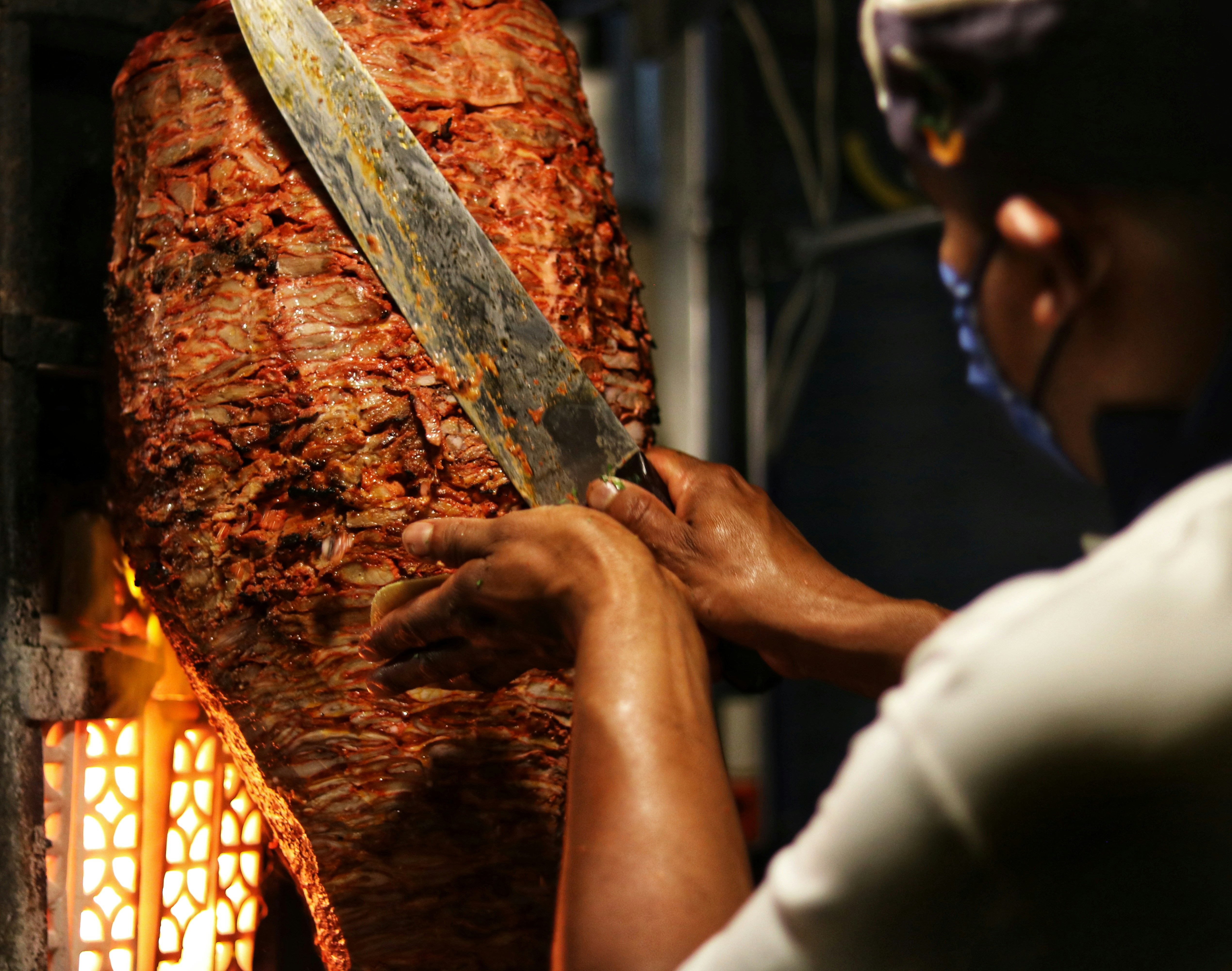
The Riviera Maya tastes even better beyond the tourist strip. Discover local tacos, fresh ceviche, Yucatecan classics and the food tours worth arriving hungry…
Mexican food is one of the few cuisines powerful enough to turn history, geography and a second dinner into the same activity. UNESCO inscribed traditional Mexican cuisine on its Representative List of the Intangible Cultural Heritage of Humanity in 2010, recognizing it as a living cultural system—not simply a collection of recipes. Type food tour Cancun into Google and you will quickly understand why this matters here: Quintana Roo brings together Yucatecan techniques, Caribbean seafood, dishes from central Mexico and chefs who have arrived from almost every corner of the country. The result feels unmistakably Mexican, but also completely specific to the Mexican Caribbean.
You can start the morning with cochinita pibil wrapped in a warm tortilla, eat ceviche beside the Caribbean in the afternoon and finish with a marquesita filled with Edam cheese and Nutella because, apparently, balance is important.
I live in the Riviera Maya, and one of the most common mistakes I see travelers make is assuming the best food will always be on the most beautiful street.
Sometimes it is.
Sometimes the best taco of your vacation is under fluorescent lighting beside a pharmacy, and nobody at the table has asked permission to photograph it.
That is precisely why a food tour can be one of the smartest things you book here.
Why Take a Food Tour in the Riviera Maya?
A good food tour does more than guide you from one restaurant to another. It teaches you how to read the local food scene.
You learn why cochinita is often eaten in the morning, how Yucatecan recados differ from standard Mexican marinades, why Edam cheese appears in traditional regional cooking and which salsa is genuinely mild rather than “mild according to someone’s uncle from Mérida.”
Most importantly, a local guide takes you to family-run eateries, markets and neighborhood stands you probably would not find by scrolling through the same twenty restaurants appearing online. Current Riviera Maya food tours specifically promote routes through less-touristy areas and local institutions rather than focusing only on polished restaurant districts.
Food tours are especially useful because they let you taste small portions of several dishes. On your own, ordering something unfamiliar can feel like a commitment. On a tour, you can try one bite of tongue taco, papadzules or an aggressively enthusiastic habanero salsa without entering a long-term contractual relationship.
They also work for people who do not consider themselves “foodies.”
You do not need to discuss fermentation or describe a tortilla as “texturally expressive.” You only need to enjoy eating and remain reasonably open to the possibility that mayonnaise does belong on some seafood tostadas.
Before reserving, tell the operator about allergies, dietary restrictions and foods you cannot eat. Traditional food tours frequently use pork, seafood, dairy, eggs and shared preparation areas, and not every stop can provide substitutions or eliminate cross-contamination.
Ready to eat beyond the hotel buffet? Explore food tours and local culinary experiences through YoYoPass.
Best Food Tours in Cancun
Cancún has two personalities.
The first is the Hotel Zone: beaches, resorts, nightclubs and drinks that occasionally arrive inside containers larger than the human torso.
The second is downtown Cancún, where people actually live, work, shop and argue about which taco stand is better.
That second Cancún is where the most interesting food tours happen.
Parque de las Palapas and Downtown Cancún
Parque de las Palapas is one of the city’s classic evening gathering places. Families arrive for dinner, children run around the plaza, vendors prepare marquesitas and churros, and someone is usually performing onstage with a level of confidence I have been trying to achieve professionally for years.
A downtown route may include the park, local taquerías, street-art areas and one of Cancún’s markets. Mercado 28 is the better-known stop and combines food with handicrafts and souvenir stalls. However, Mercado 23 usually feels more like an everyday neighborhood market, so I consider it a particularly good sign when a guide includes both local markets and family-run eateries rather than keeping the entire tour within tourist-oriented areas.
Typical tastings may include:
Tacos de cochinita pibil
Tacos de guisado
Barbacoa or carne asada
Quesadillas
Salbutes and panuchos
Tamales
Fruit paletas
Churros
Marquesitas
Current shared food tours in Cancún generally fall between approximately $50 and $90 USD per person, depending on the number of tastings, transportation, drinks and group size. Current listings include downtown and market tours from roughly $64–$81, while an operator offering 15 or more tastings charges about $69.
Tours with hotel pickup, tequila pairings or transportation between several taquerías may cost more. Check whether the published price includes all tastings, beverages, transportation and gratuities.
My local advice is simple: do not eat a full meal before the tour.
This sounds obvious, but there is always one person who arrives after a resort breakfast buffet and announces that they are “not very hungry.” Forty-five minutes later, they are watching everyone else eat their third taco with the expression of an employee who misunderstood the meeting agenda.
Browse Cancún food tours on YoYoPass and discover the city beyond the Hotel Zone.
Best Food Tours in Playa del Carmen
Playa del Carmen is compact, walkable and full of restaurants, making it almost suspiciously well designed for a food crawl.
Most visitors begin on Fifth Avenue. That makes sense: La Quinta is lively, convenient and impossible to miss. But the best food tours usually use it as a starting point rather than the entire route.
Walk a few blocks away from Fifth Avenue and the menus begin to change. Prices often become more reasonable, English descriptions become less elaborate and the probability of seeing local office workers eating lunch increases significantly.
This is where you start finding the taquerías, seafood counters, bakeries and small family restaurants that make Playa’s food scene interesting.
Taco Crawls Beyond Fifth Avenue
A strong Playa del Carmen taco tour should introduce you to different styles rather than serving four slightly different versions of carne asada.
Depending on the route, you might try:
Cochinita or lechón
Birria with consommé
Tacos al pastor
Grilled beef or arrachera
Guisado tacos
Seafood tostadas
Tamales
Regional sweets or frozen desserts
One current small-group Playa del Carmen tour costs $65 USD, includes more than fourteen tastings and moves through the city on foot and by local transportation. Other current walking-tour listings are closer to $80–$85, placing a practical budget for most shared tours around $60–$90 USD per person.
Mezcal Tastings
Mezcal experiences are a good addition when you want to understand the spirit rather than simply receive a shot accompanied by salt and motivational yelling.
A proper tasting may explain agave varieties, production regions, roasting, fermentation and how mezcal differs from tequila. Some experiences pair each pour with tacos, chocolate, citrus or other small bites.
Drink slowly. Mezcal is traditionally sipped, not launched into the body as part of a group challenge.
Also, never assume that the small clay cup means the serving is emotionally harmless. That cup has seen things.
One Cave-Dining Correction
You may see articles describing “underground dining in Tulum,” but the Riviera Maya’s best-known restaurant inside a natural cavern is Alux, and it is located in Playa del Carmen—not Tulum.
The restaurant is built within a millenary cavern with stalactites, stalagmites and private dining areas. It is more of a special-occasion restaurant than a traditional food tour, but it can be an impressive addition to a culinary itinerary.
I am making the location clear because arriving in Tulum dressed for a romantic cave dinner and discovering that your reservation is an hour away creates the kind of silence no relationship needs.
Explore Playa del Carmen taco tours, mezcal tastings and culinary experiences on YoYoPass.
Best Food Experiences in Tulum
Tulum has one of the Riviera Maya’s most varied—and occasionally confusing—food scenes.
In Tulum Pueblo, you can find modest taquerías, traditional Mexican restaurants and small international kitchens. Along the beach and in the jungle, the experience becomes more theatrical: open-fire cooking, candlelit dining, local ingredients, beautifully designed spaces and menu descriptions that sometimes require a brief emotional pause.
The town’s best culinary experiences generally fall into three categories.
Local Walking Food Tours
A walking tour through Tulum Pueblo is the most direct way to experience the town beyond its beach clubs.
Current tours typically last about three hours and may include cochinita pibil, mole, tacos, tamales, elotes and Mexican desserts. Some are limited to around ten guests and intentionally avoid the more tourist-heavy restaurants. Current published prices are generally around $65–$100 USD per person.
This is the option I would choose for a first visit because it provides the best cultural context and usually the strongest food-to-price ratio.
Cenote, Jungle and Farm-to-Table Experiences
Some experiences around Tulum combine a cenote visit with a local lunch, cooking lesson or regional tasting. Boutique hotels and culinary operators also offer farm-to-table classes, market tours, seasonal harvest experiences and private mezcal tastings.
Be precise when booking. “Cenote dining” can mean lunch after swimming, a restaurant near a cenote, or a deliberately designed cave-like venue. It does not always mean that a waiter is descending into an underground river carrying ceviche.
For a guided culinary experience that combines food with a cenote, farm, private class or premium setting, budget approximately $70–$120 USD, potentially more when transportation or alcohol is included.
Beachfront Ceviche
Fresh seafood beside the Caribbean is one of Tulum’s simplest pleasures.
A good ceviche should taste bright, cold and clean, with citrus, chile, onion, cilantro and seafood remaining at the center of the dish. Depending on the restaurant, you may find shrimp, fish, octopus or conch variations.
The beach setting usually increases the price considerably. You are paying for the seafood, but the palm trees have also reviewed their compensation package.
For better value, compare the beach restaurants with seafood places in Tulum Pueblo. Some of the most satisfying ceviches and fish tacos are served away from the hotel strip, without a DJ or minimum consumption requirement.
Must-Try Yucatecan Foods
The Riviera Maya is in Quintana Roo, not the state of Yucatán, but the culinary traditions of the Yucatán Peninsula cross modern state boundaries. These dishes are widely found throughout Cancún, Playa del Carmen and Tulum, alongside seafood and recipes from the rest of Mexico.
Cochinita Pibil
Cochinita pibil is pork marinated with achiote and sour orange, traditionally wrapped in banana leaves and slowly cooked using the underground pib method.
The meat becomes tender, rich and deeply seasoned, then gets balanced with pickled red onion and, when you are feeling emotionally prepared, habanero.
You will find cochinita in tacos, tortas, panuchos and plated meals throughout Quintana Roo.
My advice: try it earlier in the day. At traditional places, the best batches can sell out before late afternoon. Cochinita has completed its workday while many visitors are still deciding where to eat.
Papadzules
Papadzules are corn tortillas filled with chopped boiled egg, covered in a rich pumpkin-seed sauce and finished with tomato sauce.
They look simple. They are not.
The toasted pepita sauce is nutty, earthy and surprisingly filling. It is also one of the clearest examples of the Maya ingredients at the heart of Yucatecan cooking: corn, squash seeds and tomato.
They are also useful when someone claims Mexican food is only tacos with meat. Papadzules arrive quietly, present their evidence and return to their desk.
Sopa de Lima
Sopa de lima is a fragrant broth typically made with chicken or turkey, local lime, vegetables and crisp tortilla strips.
Despite the name, it should not taste like someone emptied an entire bag of citrus into chicken soup. A good version is aromatic, savory and lightly acidic.
It is particularly satisfying after a long travel day, during rainy weather or after you told the waiter that medium salsa would be fine.
Poc Chuc
Poc chuc consists of thin pork marinated with sour orange, grilled and usually served with roasted onion, tomato, black beans and tortillas.
Compared with cochinita, it tastes lighter and smokier. The citrus cuts through the pork, while the grilled edges provide the part everyone quietly tries to claim first.
Ceviche de Caracol
Conch ceviche reflects the Caribbean side of Quintana Roo’s food identity.
The conch is chopped and mixed with citrus, tomato, onion, cilantro and chile, creating a firm, fresh and slightly sweet ceviche. Because conch availability can be seasonal and its fishing is regulated, order it only from established restaurants that source seafood legally.
This is not the dish where “a man near the beach said it was fresh” should be your complete quality-control procedure.
Marquesitas
A marquesita is a thin, crisp wafer rolled while hot and traditionally filled with shredded Edam cheese.
Yes, cheese.
The classic sweet-salty combination can be joined by cajeta, chocolate, condensed milk, jam or Nutella. Marquesitas originated in Yucatán and are now a standard evening sight in parks and plazas throughout the peninsula.
The first bite is crunchy. The second bite convinces you that Edam and Nutella have been unfairly separated for most of your life.
Agua de Chaya
Chaya is a leafy plant widely used in southeastern Mexico. As a drink, it is commonly blended with citrus and served cold, sometimes with pineapple or cucumber.
The result is green, refreshing and much less intimidating than it looks.
It is a particularly good order when you have consumed four tacos, half a marquesita and enough mezcal to begin describing yourself as a culinary researcher.
Street Food Safety Tips
Street food is not automatically unsafe, and an expensive restaurant is not automatically safe. What matters is handling, water, temperature, cleanliness and turnover.
I follow a few simple rules.
Eat Where Locals Eat
A busy stand usually means the food is being prepared and sold continuously rather than sitting for hours.
Look for local families, office workers, taxi drivers and people ordering confidently without studying the menu. That is often a better signal than a neon sign announcing “AUTHENTIC MEXICAN EXPERIENCE.”
Choose Food Cooked in Front of You
Hot food served immediately is generally a safer choice than ingredients that have been sitting uncovered.
Watch whether the cooking surface is active, utensils are handled cleanly and raw ingredients remain separate from cooked food. Public-health guidance recommends choosing food that is fully cooked and served hot.
Be Careful With Water and Raw Produce
Travel-health guidance advises visitors not to drink tap water in Mexico and to be cautious with raw or undercooked foods, leafy greens and produce that may have been washed with unsafe water. Choose sealed bottled water and fruit you can peel yourself when you are uncertain about preparation standards.
This does not mean you must treat every piece of lettuce as a criminal suspect. It means a small street stand with no visible clean-water system may not be the ideal place for a large raw salad.
Ask for Salsa on the Side
This is partly about safety and mostly about maintaining dignity.
Never determine a salsa’s strength by its color. Green does not mean gentle. Red does not mean dangerous. Beige can occasionally mean that your afternoon plans have been cancelled.
Try a small amount first.
The phrase is:
“La salsa aparte, por favor.”
Use it with confidence. There is no medal for discovering your spice limit publicly.
Book a Riviera Maya Food Tour With YoYoPass
A food tour gives you something a restaurant reservation cannot: context.
You learn where a dish comes from, why people eat it, how ingredients traveled through Maya, Caribbean and Mexican traditions, and where locals return after the tour groups have left.
More importantly, you finish the experience knowing what to order for the rest of your trip.
That knowledge is dangerous. By day three, you may have opinions about pickled onion acidity and a preferred marquesita stand.
I consider that personal growth.
Explore food tours and culinary experiences in Cancún, Playa del Carmen and Tulum through YoYoPass. Come hungry, ask questions and let someone local handle the difficult decision of where to eat first.
Frequently Asked Questions
Are food tours in Cancun worth it?
Yes, especially when you are staying in the Hotel Zone and want to experience downtown Cancún without researching every market, neighborhood and taquería yourself.
A good tour combines multiple tastings with local history, cultural context and stops that visitors might otherwise miss. Current Cancún tours commonly include markets, family-run eateries, plazas and neighborhood street-food stands.
The food itself may cost less when purchased independently, but you are paying for the guide, route, storytelling, logistics and opportunity to try several dishes efficiently.
Is Mexican street food safe to eat?
It can be, but choose vendors carefully.
Favor busy stands with high turnover, food cooked thoroughly in front of you, clean utensils and bottled or purified water. Travelers should be particularly cautious with tap water, raw seafood, undercooked meat and raw produce when preparation conditions are unclear.
People with severe allergies, compromised immune systems or specific medical concerns should discuss food precautions with a healthcare professional before traveling.
How much does a food tour cost in the Riviera Maya?
Most shared walking food tours cost approximately:
Cancún: $50–$90 USD
Playa del Carmen: $60–$90 USD
Tulum: $70–$100 USD
Premium, private or combined experiences: $100–$120 USD or more
Prices vary according to transportation, group size, alcohol, number of tastings and whether the experience includes a cooking class, farm visit or cenote. Current listings support these general ranges, but prices can change, so confirm the total and inclusions before booking.
What is the most famous food in the Yucatán?
Cochinita pibil is probably the most internationally recognized Yucatecan dish.
Its achiote-marinated pork, banana-leaf preparation, sour orange and pickled red onion have made it a signature food across the peninsula. However, papadzules, sopa de lima, poc chuc, panuchos and salbutes are equally important when you want a broader understanding of regional cuisine.
Best Food Tours in the Riviera Maya: Tacos, Ceviche, and Everything In Between