The Best Mayan Ruins in Quintana Roo: Ancient Temples You Can Actually Visit
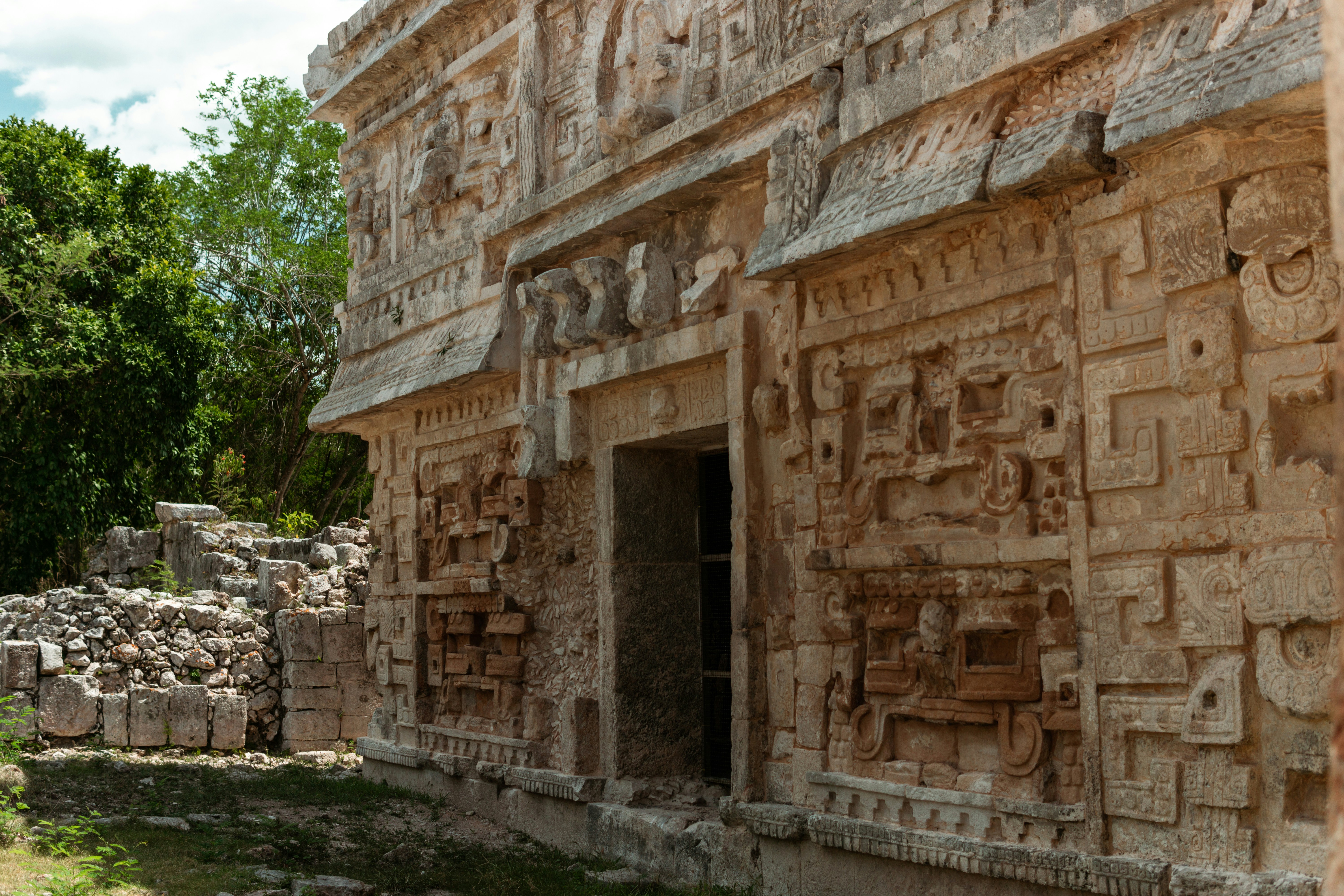
Ancient temples, jungle roads and Caribbean views that honestly do not look real. These are the best Maya ruins to explore across Quintana Roo and the…
The Yucatán Peninsula is basically the Maya civilization’s home turf. Ancient cities, sacred roads, temples, trading ports and ceremonial centers are scattered across the jungle like history’s most ambitious open-world map. What makes the Mayan ruins Quintana Roo especially different is the setting: some are hidden between enormous tropical trees, while others casually sit on cliffs overlooking the Caribbean, as though ancient urban planners already understood the importance of ocean views.
I live in the Riviera Maya, and I genuinely think visiting at least one archaeological site should be mandatory not legally mandatory, obviously, but spiritually. Coming all the way here and only seeing your resort, a beach club and the inside of a Coco Bongo feels like watching the first ten minutes of a movie and confidently claiming you understood the plot.
Also, a quick language note: “Mayan ruins” is how most travelers search for them online, but archaeologists generally use Maya when referring to the civilization, people and architecture. We will use both because culture matters, but so does Google.
Prices and operating conditions can change, especially after storms, preservation work or government updates. The information below was reviewed in July 2026, but checking the official INAH listing before leaving your hotel remains a very adult and responsible decision.
Why the Mayan Ruins in Quintana Roo Hit Different
Not every archaeological site offers the same experience.
Tulum delivers temples beside unreal Caribbean water. Cobá gives you jungle paths, ancient roads and a pyramid you can currently climb under controlled access. Muyil combines Maya architecture with the protected landscape of Sian Ka’an. El Meco is so close to Cancún that you could visit between breakfast and your first pool drink.
You also do not need to be a history expert. A great guide can explain trade routes, astronomy, religion, architecture and daily Maya life without making the experience feel like someone trapped you inside a three-hour PowerPoint.
That context matters. Without it, you might look at a thousand-year-old ceremonial structure and say, “Nice rock building.”
With it, you realize you are standing inside a city that once managed politics, commerce, religion and regional relationships, probably with fewer Slack messages than we use today.
Explore Maya ruins tours through YoYoPass when you want transportation, entry logistics and an actual guide instead of assigning your friend with the rental car the unpaid position of expedition coordinator.
Tulum Ruins: The Main-Character Ruins
Tulum is easily the most cinematic archaeological site in Quintana Roo.
The ancient walled city rises above the Caribbean on a limestone cliff, with El Castillo facing water so blue it almost looks generated. The site flourished during the Postclassic period and functioned as an important coastal port connected to wider Maya trading networks.
Inside, you will see El Castillo, the Temple of the Frescoes and several ceremonial and residential structures. Go at opening time. Tulum is beautiful, but it is not a secret. By late morning, the sunlight, heat and tour groups all begin working together.
Practical details
Hours: 8:00 a.m.–5:00 p.m.; last archaeological-zone entry is currently 3:30 p.m.
Admission: The official INAH ticket is currently MXN $210 for foreign visitors and MXN $105 for Mexican nationals and foreign residents. Separate Parque del Jaguar/GAFSACOMM and CONANP charges may also apply, meaning the complete visit costs considerably more than the old MXN $80 figures still floating around online.
Getting there: Drive, taxi, public transportation or an organized tour through the Parque del Jaguar access system.
Time needed: Two to three hours; longer when combining the ruins with the museum or nearby beaches.
Crowd level: Very high.
Photo tip: Walk toward the ocean viewpoints first while the light is soft and the pathways are still manageable.
Historical significance: Major fortified coastal settlement and maritime trading port.
Swimming directly below the archaeological structures has depended on access and sea conditions over the years. Instead of promising one specific beach, I would plan to visit the ruins first and then use one of the public beach accesses within the wider Parque del Jaguar area when conditions permit.
Do not arrive wearing only swimwear and optimism. The site involves walking, exposed sun and more logistics than old travel blogs suggest.
Cobá Ruins: Jungle, Bikes and an Actual Climb
Cobá feels more adventurous than Tulum because it is distributed across the jungle rather than presented as one compact waterfront site.
The ancient city was surrounded by lagoons and connected through an enormous network of raised limestone roads known as sacbeob. INAH describes around 50 ancient roads linking ceremonial, administrative and residential complexes, showing how important Cobá once was politically and commercially.
Its most famous structure is Nohoch Mul, a pyramid approximately 42 meters high. Here is the major 2026 update: access to climb the pyramid has reopened under controlled conditions. Entry is limited to groups of up to 15 people, with a maximum stay of 15 minutes at the top.
Practical details
Hours: 8:00 a.m.–5:00 p.m.; last general access at 4:00 p.m.
Nohoch Mul access: 8:00 a.m.–3:30 p.m., subject to capacity and operating conditions.
Admission: MXN $210 for foreign visitors; MXN $105 for Mexican nationals and foreign residents.
Getting there: Best by car or organized tour from Tulum or Playa del Carmen.
Time needed: Three to four hours.
Crowd level: Medium; usually calmer than Tulum.
Photo tip: Photograph the sacbeob and structures framed by jungle, then use a wider lens from the upper access area of Nohoch Mul.
Historical significance: One of northern lowland Maya civilization’s most influential cities and road-network centers.
Renting a bicycle is still one of the smartest ways to cover the site.
Walking sounds romantic when you are standing at the entrance. Forty minutes later, the humidity has removed your personality and your group is no longer speaking.
Chichén Itzá: Not in Quintana Roo, Still Non-Negotiable
Plot twist: Chichén Itzá is not in Quintana Roo. It is in neighboring Yucatán state.
It still belongs in this guide because it is the most popular archaeological day trip from Cancún, Playa del Carmen and much of the Riviera Maya. The site includes the Temple of Kukulcán, the Great Ball Court, the Temple of the Warriors and the Sacred Cenote.
During the spring and autumn equinox periods, sunlight creates a famous shadow-and-light effect along the pyramid’s staircase, associated with the body of a descending serpent. It is extremely impressive, although equinox dates also attract huge crowds. In March 2026, INAH implemented special operating procedures specifically to manage those visitor levels.
Practical details
Hours: Normally 8:00 a.m.–4:00 p.m.; special schedules may apply during major dates.
Admission: Current published totals are approximately MXN $592 for foreign visitors and MXN $205 for Mexican nationals, combining INAH and applicable state charges.
Getting there: Rental car, ADO connections or, realistically, a guided full-day tour.
Time needed: Three to four hours inside the site; reserve the full day when coming from Quintana Roo.
Crowd level: Extremely high.
Photo tip: Enter at opening and go directly to El Castillo before deciding that the gift shop needs your immediate attention.
Historical significance: One of the most influential urban, political and ceremonial centers of the Maya world.
You cannot climb El Castillo. Please do not become the tourist appearing in an international news article because you believed rules were merely a suggestion.
Book a Chichén Itzá tour through YoYoPass when you would rather sleep during the drive than spend the day negotiating directions, parking and entrance tickets.
Muyil Ruins: The Quiet One With Excellent Taste
Muyil is the site I recommend when someone wants history, nature and fewer people.
Located roughly 25 kilometers southwest of Tulum, it sits within the landscape of the Sian Ka’an Biosphere Reserve. Muyil was occupied from at least the late Preclassic period and became an important connection between inland communities, coastal trade and the surrounding lagoon system. Its architecture also shows connections with the Petén region farther south.
The ruins are compact, but El Castillo rises beautifully above the jungle. From the archaeological area, visitors can continue toward nature trails and lagoon experiences operated separately within Sian Ka’an.
Practical details
Hours: 8:00 a.m.–5:00 p.m.; last access at 4:30 p.m.
Admission: MXN $145 for foreign visitors; MXN $80 for Mexican nationals and foreign residents.
Getting there: Car, colectivo along Highway 307 or a guided Sian Ka’an experience.
Time needed: Ninety minutes for the ruins; three to five hours when combining them with the lagoon.
Crowd level: Low.
Photo tip: Frame El Castillo between the trees instead of trying to eliminate the jungle, it is part of what makes the site special.
Historical significance: Long-occupied Maya city that connected lagoon, coastal and inland commercial routes.
Muyil is basically the person at the party who does not need to shout because everyone interesting eventually walks over.
El Meco: Cancún’s Most Underrated Side Quest
El Meco is located only 2.7 kilometers along the Puerto Juárez–Punta Sam road, making it one of the easiest ruins to reach from Cancún.
The site developed from an early fishing settlement into an important Postclassic coastal city associated with maritime trade and the ritual landscape connecting the mainland with Isla Mujeres. Its main structure, El Castillo, is the tallest archaeological building in the Cancún area.
Practical details
Hours: 8:00 a.m.–4:30 p.m.; last access at 4:00 p.m.
Admission: MXN $145 for foreign visitors; MXN $80 for Mexican nationals and foreign residents.
Getting there: Taxi, rental car or local transportation toward Punta Sam.
Time needed: Forty-five to ninety minutes.
Crowd level: Very low.
Photo tip: Use the empty ceremonial plaza to create clean, symmetrical shots of El Castillo.
Historical significance: Coastal trading and ceremonial center connected to Isla Mujeres.
This is not a substitute for Chichén Itzá, but it is perfect when your schedule says, “I have two free hours and do not want to spend either one inside a souvenir mall.”
San Gervasio: Cozumel’s Sacred Maya Site
San Gervasio was Cozumel’s principal Maya settlement and an important sanctuary associated with Ixchel, a deity linked to fertility, medicine, childbirth and weaving. Maya women from mainland communities are believed to have made pilgrimages to Cozumel as part of her worship.
There is currently a frustrating issue: official INAH pages show conflicting information. One listing gives operating hours of 9:00 a.m.–3:30 p.m. and current admission prices, while another marks the site as temporarily closed. Because of that contradiction, confirm directly with INAH or your tour operator before planning the day around it.
Practical details, when open
Hours listed: 9:00 a.m.–3:30 p.m.; last access at 3:00 p.m.
Admission listed: MXN $210 for foreign visitors; MXN $105 for Mexican nationals and foreign residents.
Getting there: Taxi, rental vehicle or organized island tour from San Miguel de Cozumel.
Time needed: Ninety minutes to two hours.
Crowd level: Low to medium.
Photo tip: Focus on pathways, arches and smaller architectural details rather than expecting one enormous pyramid.
Historical significance: Major pilgrimage and ceremonial center associated with Ixchel.
San Gervasio is about cultural meaning, not pyramid size. History is not a height competition, despite what Instagram occasionally suggests.
Kohunlich: For Travelers Who Actually Went South
Kohunlich sits deep in southern Quintana Roo, far from the Cancún–Tulum tourism corridor. That extra distance is exactly why it feels so rewarding.
Its most recognizable building is the Temple of the Masks, decorated with monumental stucco faces connected to solar symbolism and Maya rulership. The surrounding jungle, mature trees and lack of heavy crowds create one of the state’s most atmospheric archaeological experiences.
Practical details
Hours: 8:00 a.m.–5:00 p.m.; southern sites generally admit their final visitors at 4:00 p.m.
Admission: MXN $210 for foreign visitors; MXN $105 for Mexican nationals and foreign residents.
Getting there: Rental car or guided excursion from Bacalar or Chetumal.
Time needed: Two to three hours.
Crowd level: Very low.
Photo tip: Bring a lens suitable for architectural details; the masks are the shot you came for.
Historical significance: Important southern Maya center known for elite architecture, ceremonial spaces and monumental stucco decoration.
Kohunlich is not a quick detour. It is a commitment.
But so is traveling all the way to southern Quintana Roo, and at that point we may as well finish the storyline properly.
Xel-Há Ruins: Do Not Confuse Them With the Eco-Park
The archaeological site of Xel-Há and the famous commercial eco-park are not the same entrance, ticket or experience.
Ancient Xel-Há was an important Maya maritime port, possibly connected to the powerful inland city of Cobá. It preserves structures including the Building of the Birds, where traces of murals reveal both Maya imagery and stylistic influence associated with Teotihuacan.
The archaeological site officially reopened on July 6, 2026, following improvement and conservation work. Some INAH pages are still displaying older closure notices, so verify the practical details before arrival while the digital information catches up with reality, a very relatable government-website moment.
Practical details
Hours listed: 8:00 a.m.–5:00 p.m.
Admission listed: MXN $210 for foreign visitors; MXN $105 for Mexican nationals and foreign residents.
Getting there: Highway 307, approximately 16–19 kilometers north of Tulum; use the archaeological-site access, not the eco-park entrance.
Time needed: One to two hours.
Crowd level: Low.
Photo tip: Photograph the surviving murals carefully without flash and use the surrounding vegetation to frame the structures.
Historical significance: Crucial coastal port with long occupation and unusual surviving mural art.
Also, no, it is not free. The earlier brief was working with old information. Inflation found the ancient Maya too.
Tips for Visiting Mayan Ruins in Quintana Roo
Arrive when the gates open
This is the single best decision you can make.
The temperature is lower, the light is better and tour groups are still somewhere on Highway 307 discussing pickup logistics. At noon, the ruins remain fascinating, but you may be experiencing them through a layer of sweat.
Bring more water than seems emotionally necessary
Water is not optional here. Neither is sun protection.
Use a hat, breathable clothing and sunscreen, but confirm whether aerosols or certain products are restricted near protected natural areas.
Wear actual shoes
You do not need hiking boots for most sites, but you do need shoes that can handle stone, roots, dirt and uneven pathways.
Flip-flops are excellent for the beach and less excellent for discovering your ankle’s full range of movement beside a 1,000-year-old temple.
Hire a guide for at least one major site
A guide turns architecture into a story.
You start understanding how cities traded, why buildings were oriented in certain directions, what the carvings represented and how the ancient landscape connected communities across the peninsula.
Book the ruins tours available through YoYoPass when you want a guide, transportation and fewer opportunities for your group chat to become a logistical crisis.
Frequently Asked Questions
Which Mayan ruin in Quintana Roo is the best?
Choose Tulum for the iconic Caribbean setting, Cobá for jungle exploration and climbing access, Muyil for nature and lower crowds, or Kohunlich for a remote archaeological adventure.
My overall recommendation for a first-time visitor is Tulum for the visuals, followed by Cobá for the more immersive experience.
Can you still climb the pyramids in Mexico?
Most famous pyramids, including El Castillo at Chichén Itzá, cannot be climbed.
However, access to Nohoch Mul at Cobá has reopened under controlled conditions. INAH currently limits the number of visitors, access hours and time allowed at the top. Rules can change due to conservation or safety concerns, so verify before traveling.
How much do Mayan ruins cost to visit?
Smaller sites currently begin around MXN $80–$145 depending on residency status. Major sites can cost more: Cobá and Kohunlich currently list MXN $210 for foreign visitors, while Chichén Itzá’s combined admission is approximately MXN $592 for foreign visitors.
Tulum involves multiple potential government and park charges, so budget beyond the basic INAH ticket.
Should I hire a guide at the Mayan ruins?
Yes, especially at Tulum, Cobá or Chichén Itzá.
You can walk through independently, but the architecture becomes far more interesting when someone explains the political, religious and commercial context. Without a guide, there is a real possibility that every structure eventually becomes “the other old building.”
Is Chichén Itzá in Quintana Roo?
No. Chichén Itzá is located in Yucatán state, but it remains one of the most popular full-day excursions from Cancún and the Riviera Maya.
The Best Mayan Ruins in Quintana Roo: Ancient Temples You Can Actually Visit