Sian Ka’an Biosphere Reserve: Quintana Roo’s UNESCO World Heritage Hidden Gem
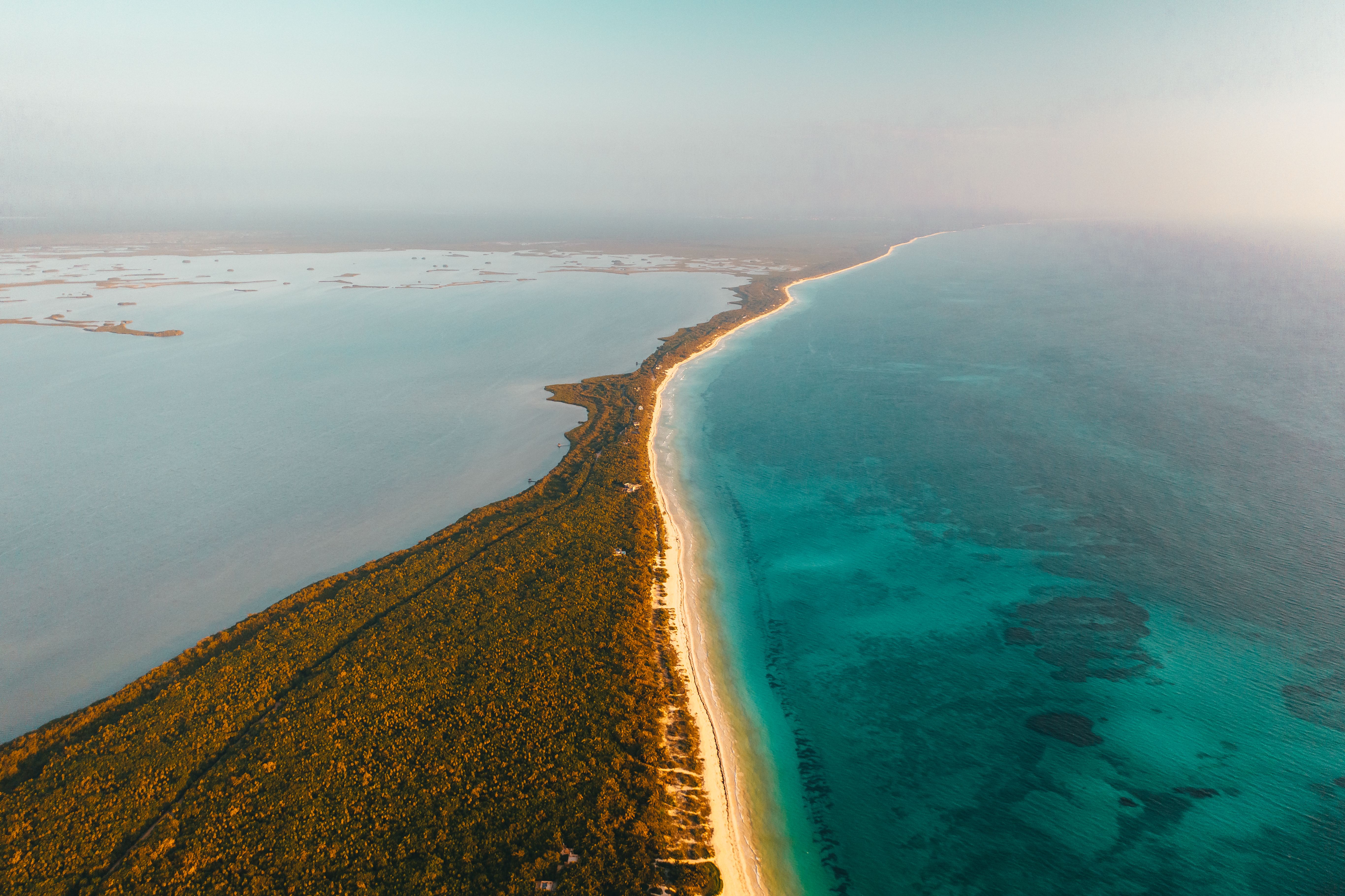
Just south of Tulum, the resorts disappear and Sian Ka’an begins: wild dolphins, mangrove lagoons, ancient Maya canals and more than 500,000 hectares of…
Drive south from Tulum and the Riviera Maya changes almost suspiciously fast. The boutique hotels, beach clubs and carefully positioned jungle lamps begin to disappear. Roughly 10 kilometers beyond Tulum, you enter the Sian Ka’an Biosphere Reserve: more than half a million hectares of tropical forest, mangroves, wetlands, lagoons and Caribbean reef with almost no large-scale development. Jaguars still move through the jungle, crocodiles rest near the waterways and wild dolphins swim through turquoise lagoons while Tulum continues discussing where to place its next matcha bar.
I live in the Riviera Maya, and Sian Ka’an is one of the places I recommend when someone tells me they want to see what this coast looked like before resorts began occupying every photogenic palm tree.
This is not a polished attraction where every pathway ends at a gift shop. It is remote, wild and slightly inconvenient—and that inconvenience is precisely why it remains so special.
What Is Sian Ka’an?
Sian Ka’an is the largest protected area in the Mexican Caribbean. Mexico declared it a biosphere reserve in 1986, and UNESCO added it to the World Heritage List in 1987.
Its name is commonly translated from Maya as “Origin of the Sky.” Once you see the lagoon reflecting an enormous blue horizon, the name begins to feel less poetic and more like a straightforward geographic observation.
The reserve covers approximately 528,148 hectares and protects an unusually complete combination of ecosystems:
Tropical forests
Freshwater and saltwater wetlands
Mangroves
Coastal dunes
Lagoons and natural channels
Caribbean beaches
Coral reefs
Its marine environment intersects the Mesoamerican Reef System, while the wider Sian Ka’an complex is considered one of the best-preserved natural regions on the eastern side of the Yucatán Peninsula. UNESCO records more than 300 bird species within the reserve, and official conservation documents identify wildlife including jaguars, pumas, manatees, tapirs, crocodiles and many other species.
You are unlikely to see a jaguar during a day tour. I need to say that clearly before someone books a six-hour excursion expecting the Mexican version of The Lion King.
The animals are wild. They live here; they are not scheduled.
What you are much more likely to experience is the landscape itself: water reflecting the sky, mangroves forming natural tunnels, birds moving between small islands and almost no visible development for kilometers.
That silence hits differently after spending several days on the Tulum beach road.
How to Visit Sian Ka’an from Tulum
There are two main ways to experience Sian Ka’an, and choosing the correct one matters.
The Muyil Side
The inland route begins near the Muyil archaeological site, south of Tulum along Highway 307. This is the easier and more accessible introduction to the reserve.
A typical Muyil experience combines:
A guided visit to the Maya ruins
A jungle trail or wooden boardwalk
A boat ride across the Muyil and Chunyaxché lagoons
The ancient Maya canal
A gentle floating experience through the wetlands
This option normally takes half a day and avoids the long coastal road to Punta Allen. It is ideal for families, first-time visitors and anyone who enjoys nature but does not want their spine to spend three hours negotiating potholes. Current guided itineraries combine the ruins, lagoons, ancient trading canal and floating experience in one excursion.
The Punta Allen Side
The coastal route enters south of Tulum’s hotel zone and follows an unpaved road through the reserve toward Punta Allen.
This is the full wildlife experience. Tours typically include mangrove lagoons, Boca Paila, bird islands, dolphin and turtle observation, natural swimming areas, optional reef snorkeling and lunch in Punta Allen. Snorkeling always depends on weather and sea conditions.
Punta Allen sits approximately 42–45 kilometers from the northern reserve entrance. That distance does not sound serious until you discover that the road is mostly unpaved. Depending on its condition and where you board the boat, the land journey can take from around 90 minutes to 2.5 hours—and longer after heavy rain.
This is why I strongly recommend a guided tour for your first visit.
You can enter independently, but having a guide means someone else handles the road, boat, wildlife zones, conservation rules and the small detail of knowing where you are going.
How Much Does Entry Cost?
The prices in the original brief—MXN $50 for Mexicans and $100 for foreign visitors—are outdated.
The official CONANP page currently lists the 2026 entrance fee as MXN $225 per person, per day. Mexican nationals and foreign residents receive a 50% discount when they present valid identification, reducing the fee to approximately MXN $112.50. Other discounts and exemptions apply to qualifying students, teachers, children under 12, older adults and people with disabilities.
Many organized tours include the protected-area fee, but never assume. Ask before booking so the tour does not develop a surprise conservation charge at pickup.
How Much Do Sian Ka’an Tours Cost?
In 2026, a reasonable estimate is:
Shorter or half-day experiences: approximately $100–$180 USD
Full-day Punta Allen tours: approximately $160–$250 USD
Private or premium tours: potentially higher
Prices depend on the route, pickup location, how far the vehicle travels before boarding the boat, group size, lunch and whether entrance fees are included. One local Punta Allen operator currently advertises a shared tour from $160 USD, while other full-day listings exceed $200 USD.
Explore Sian Ka’an tours through YoYoPass to compare routes, inclusions and departure points before choosing. “Sian Ka’an tour” can describe two completely different days, so read beyond the title.
Best Sian Ka’an Experiences
Float Through an Ancient Maya Canal
The Muyil floating experience is one of the calmest activities in the Riviera Maya.
After crossing the lagoons by boat, you enter a narrow canal once connected to ancient Maya commercial routes. The current carries you gently through clear water, reeds and mangroves while your only real responsibility is to float.
No engines. No club music. No person asking whether you would like to upgrade your table.
The route connects the history of Muyil with the reserve’s natural hydrological system, making it more meaningful than a standard “lazy river”—although it is also, objectively, an excellent lazy river.
Snorkel Near Boca Paila
Boca Paila is where lagoons and wetlands connect with the Caribbean. On suitable days, full-day tours may include snorkeling along part of the reef.
The important words are “on suitable days.”
Wind, waves, visibility and currents decide whether snorkeling happens. Responsible operators treat it as a weather-dependent bonus rather than a guaranteed attraction. A captain cancelling the snorkel stop is not ruining your vacation; they are demonstrating a useful interest in returning everyone to land.
Go Birdwatching at Dawn
Sian Ka’an is home to more than 300 bird species, including both resident and migratory populations. Depending on the season and location, visitors may encounter frigatebirds, herons, ibises, kingfishers, spoonbills, toucans and birds of prey.
For serious birdwatching, go early. Some community-led experiences begin between 6:00 and 7:00 a.m. so guests arrive as the reserve becomes active.
Yes, the alarm will feel offensive.
No, you will not regret it once the sun rises across the lagoon.
Visit Punta Allen and Have Lunch
Punta Allen is the principal fishing village within the coastal reserve and the final destination on many full-day tours.
Most excursions stop for a local lunch with choices such as fresh fish, meat or vegetarian dishes. Lobster may be available when legally in season, but I would not book a tour expecting a guaranteed lobster feast. Sian Ka’an is a protected ecosystem, not an all-inclusive seafood contract.
The village itself is small, relaxed and isolated. Walk around briefly, eat near the water and appreciate how far removed it feels from Tulum despite sharing the same coastline.
Try Catch-and-Release Fly Fishing
The shallow flats and lagoons around Boca Paila and the wider Sian Ka’an complex are internationally known for species such as bonefish, permit, tarpon and snook.
Fishing is regulated and must take place only in designated areas with authorized operators. Catch-and-release sport fishing supports part of the local economy, but the general reserve rules prohibit visitors from simply entering and fishing wherever they please.
This is not the activity to improvise with equipment purchased on the way from Cancún.
Book a licensed local guide who understands the zones, permits and conservation practices.
Combine Muyil Ruins With the Lagoon
Muyil is one of the smartest combinations of culture and nature near Tulum.
The archaeological site was historically connected to inland and coastal trade. After visiting its structures, you can continue through the jungle toward the lagoon and explore the waterways that helped make the settlement strategically important. The site reopened to visitors in February 2026 following conservation work.
You get ruins, jungle, a boat and the canal float in one half-day experience.
Efficient. Beautiful. Very little wasted vacation energy.
Kayak Through the Wetlands
Kayaking gives you a quieter and more active way to explore Sian Ka’an’s lagoons and mangrove environments.
Community-led tours operate along calm waterways and Maya-made channels, with local guides explaining the ecosystems and cultural history of the area. It is slower than a motorboat, which is precisely the point.
Kayaking is particularly good for travelers interested in birds, photography or pretending their upper-body strength is better than it actually is.
Browse Sian Ka’an nature, kayaking and Muyil experiences on YoYoPass to choose the part of the reserve that fits your schedule.
Wildlife You Might See in Sian Ka’an
Sian Ka’an is not a zoo, and no ethical operator should guarantee a particular animal sighting.
That said, the coastal tours around Punta Allen frequently search for:
Wild dolphins
Sea turtles
Crocodiles
Stingrays
Frigatebirds and other seabirds
Manatees, with considerable luck
Muyil and the inland areas offer stronger opportunities for forest and wetland birds, and the wider reserve also supports toucans, roseate spoonbills, howler monkeys, spider monkeys, jaguars, tapirs and many other native species.
Dolphins and turtles are among the animals most commonly sought on Punta Allen excursions, but even those are not guaranteed. Manatees are more elusive. Jaguars live within the reserve, but seeing one during a standard tour would be extraordinarily rare.
Crocodiles are sometimes visible near Boca Paila, especially around suitable resting areas. Observe them from the boat or bridge and listen to the guide.
This is not the moment to test whether your camera’s portrait mode works at close range.
Tips for Visiting Sian Ka’an
Do Not Enter the Water Wearing Sunscreen
“Biodegradable” and “reef-safe” labels do not automatically give you permission to enter protected water while covered in product.
CONANP’s published visitor regulations state no sunscreen within the reserve. Wear a long-sleeved UV shirt, hat and sunglasses, and follow your guide’s instructions about swimming.
Bring reusable containers, avoid unnecessary packaging and take every piece of waste back out with you.
Start Early
Morning normally means better wildlife activity, cooler temperatures and more time to deal with the road.
For Punta Allen, this is a full day. Do not schedule a 7:00 p.m. dinner reservation in Tulum and assume nature will respect it.
Respect the Punta Allen Road
The coastal road is rough, mostly unpaved and much slower after rain. Allow two to three hours to reach Punta Allen from the reserve entrance when driving the full route, depending on conditions.
Fill your fuel tank before entering, download offline maps and do not attempt the road in a tiny rental car after a storm simply because Google Maps used a reassuring blue line.
A tour that boards a boat closer to the entrance can reduce the amount of time spent driving.
Bring Water, Snacks and Cash
Punta Allen has restaurants and limited local services, but do not depend on finding an ATM, reliable card processing or a fully stocked convenience store.
At least one local operator specifically warns that there are no ATMs inside Sian Ka’an.
Bring cash, water and snacks. When visiting independently, pack enough food for delays and return with all your trash.
Follow the Reserve Rules
No pets, loud sound equipment, unauthorized trails, extraction of plants or wildlife, littering or damage to archaeological structures. General fishing is also prohibited outside authorized activities and zones.
Sian Ka’an remains beautiful because development and human activity are restricted.
The goal is to leave without providing evidence that you were there.
Is Sian Ka’an Worth a Day Trip From Tulum?
Absolutely.
This is one of the most authentic nature experiences available in the Mexican Caribbean. Not because it is luxurious or convenient, but because it still feels controlled by water, weather, wildlife and distance rather than tourism infrastructure.
Choose Muyil when you want an accessible half-day combining Maya history, lagoons and floating.
Choose Punta Allen when you want a longer wildlife expedition with dolphins, turtles, birds, reef scenery and a remote fishing village.
Choose kayaking or birdwatching when you want a quieter, more focused experience.
Sian Ka’an requires more planning than visiting a beach club. The road can be uncomfortable. Wildlife sightings are never guaranteed. The reserve may also remind you that your relationship with mosquitoes is less stable than you thought.
Still, I would choose it every time.
You return to Tulum tired, slightly salty and suddenly confused by how loud everything feels.
Discover guided Sian Ka’an tours through YoYoPass and experience the side of Quintana Roo that existed long before the Riviera Maya became a destination.
Frequently Asked Questions
How much does it cost to visit Sian Ka’an?
The official CONANP admission is currently MXN $225 per person per day. Mexican nationals and foreign residents receive a 50% discount with valid identification, bringing the fee to approximately MXN $112.50. Many tours include this charge, but confirm before booking.
Guided experiences generally cost around $100–$180 USD for shorter tours and approximately $160–$250 USD for full-day Punta Allen excursions.
Can I visit Sian Ka’an without a guide?
Yes, parts of Sian Ka’an can be visited independently.
You can drive toward Punta Allen or reach the Muyil side yourself. However, most lagoon, wildlife and canal experiences require a local boat, and a guide is strongly recommended for a first visit.
The reserve is enormous. Entering the gate does not mean you have suddenly discovered the dolphins.
How do I get to Sian Ka’an from Tulum?
For the coastal side, drive south through Tulum’s beach zone and enter the reserve toward Boca Paila and Punta Allen.
For the inland side, travel south along Highway 307 to Muyil. The Muyil route is easier and works well for a half-day visit, while Punta Allen normally requires a full day.
Is Sian Ka’an safe?
It is generally safe to visit with a reputable guide or careful preparation, but it is remote.
The main practical risks include rough roads, heat, dehydration, changing weather, open-water activities and wildlife. Follow marked routes, carry sufficient water, avoid unauthorized swimming and never approach crocodiles or other animals.
What is the best time of year to visit Sian Ka’an?
The dry season from December through April generally offers more predictable weather and better road conditions. It is also a popular period for birdwatching because migratory species join the reserve’s resident birds.
Sian Ka’an can be visited throughout the year. The rainy season brings greener landscapes and fewer visitors, but showers can make the Punta Allen road significantly slower and rougher.
Sian Ka’an Biosphere Reserve: Quintana Roo’s UNESCO World Heritage Hidden Gem