Whale Shark Season in Cancun 2026: Everything You Need to Know Before You Swim
Whale Shark Season Cancun 2026: Dates, Prices & Tips Search whale shark Cancun and you will find hundreds of beautiful blue-water photos. None of them…
Whale Shark Season Cancun 2026: Dates, Prices & Tips
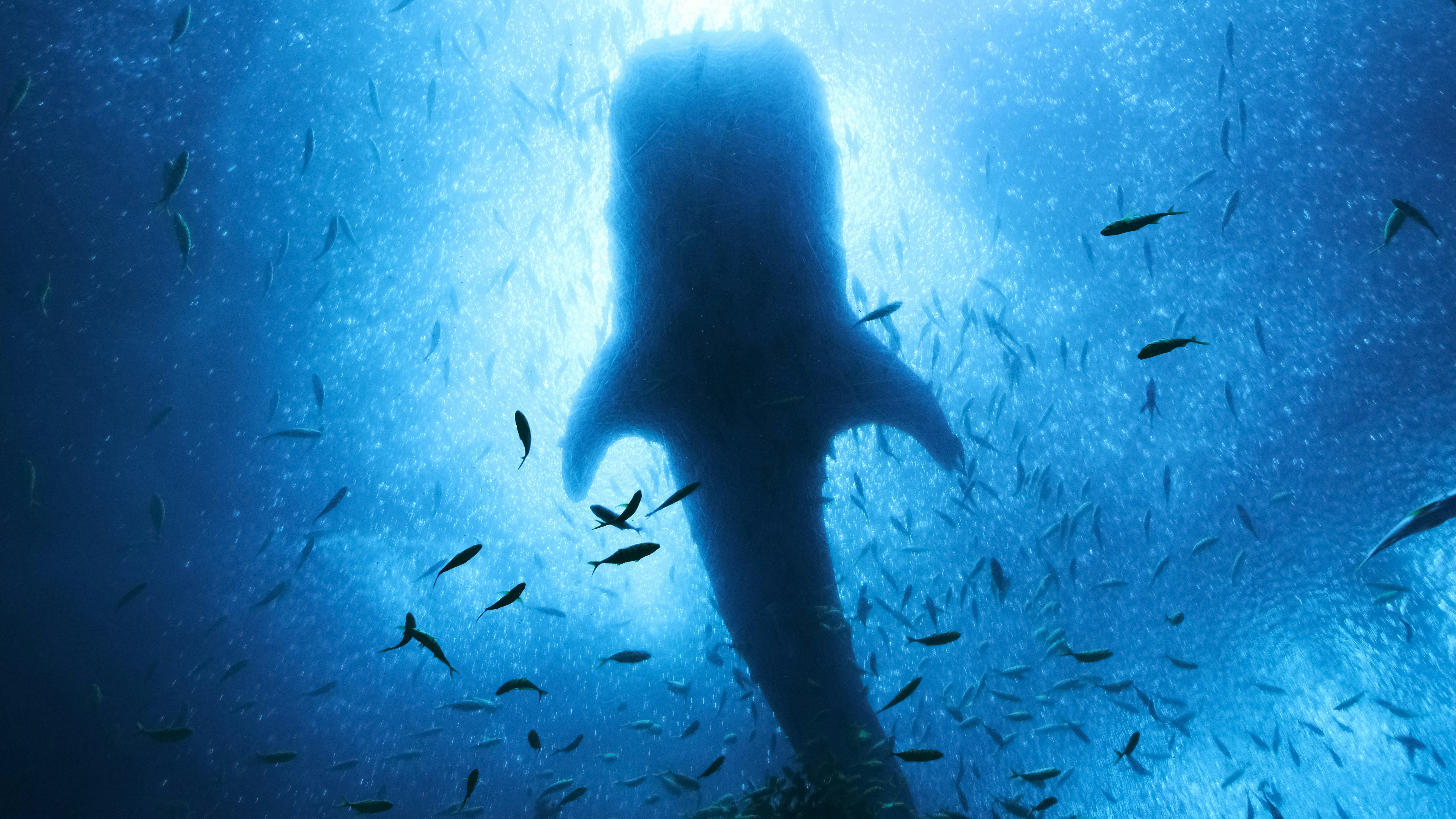
Search whale shark Cancun and you will find hundreds of beautiful blue-water photos. None of them fully prepares you for the moment you slide from a small boat, look through your mask and realize that the enormous shadow moving beside you is the largest fish on Earth.
A whale shark can be longer than the boat you arrived on. Its mouth looks large enough to swallow your entire vacation, yet it is calmly filtering plankton and showing absolutely no interest in you. Meanwhile, you are trying to breathe normally through a snorkel while your brain processes the fact that this animal is real.
The whale shark continues swimming as though nothing important is happening.
For you, it may be one of the most unforgettable moments of your life. For the whale shark, it is Tuesday.
I live in the Mexican Caribbean, and this is one of the experiences I recommend with one important condition: choose the right season and a responsible operator. This is not a theme park attraction with a fixed schedule. Whale sharks are wild, the sea makes the final decision, and your tour should always protect the animals before protecting anyone’s GoPro footage.
When Is Whale Shark Season in Cancun?
The official 2026 whale shark season in the Mexican Caribbean runs from May 15 through September 17. However, the official season and the most reliable season are not exactly the same thing. Whale sharks begin arriving gradually, with stronger and more consistent concentrations generally appearing from mid-June onward. July and August are the peak months, while sightings usually become less predictable during the final part of September.
For most travelers, I would recommend this practical window:
Mid-June: Fewer boats and improving chances of sightings.
July: Peak season and usually the strongest overall odds.
August: Still excellent, with warm water and high demand.
Early September: Possible, but slightly less predictable.
After September 10: Only book when your schedule is flexible.
Whale sharks follow plankton, fish eggs, currents and ocean conditions. They have not agreed to follow Google Calendar, despite tourism’s repeated attempts.
There is also one unusually specific local detail worth knowing: several operators do not run whale shark tours on the 30th day of each month during the season, giving the aggregation area a break from tourism. Confirm the operating calendar before reserving June 30, July 30 or August 30.
For the best balance between strong sighting potential and manageable demand, I would aim for late June through mid-August.
The season is short. Explore available whale shark experiences on YoYoPass before your travel dates fill up. YoYoPass currently includes whale shark experiences within its Mexican Caribbean tour catalog.
What to Expect on a Whale Shark Tour
Your day normally begins early. Very early.
Tours depart from areas such as Punta Sam, Cancun or Isla Mujeres, generally between 7:00 and 8:00 a.m. When hotel transportation is included, travelers staying in Playa del Carmen or Tulum may be collected several hours earlier because the boats leave from farther north. Some current operators begin pickups around 5:00 a.m. from Tulum and between 6:00 and 6:30 a.m. from Playa del Carmen.
This is not the morning to stay out until 2:00 a.m. and then tell the guide that you are “usually very good with boats.”
After checking in, you will receive snorkeling equipment, a life jacket and a safety briefing. The captain then heads toward the whale shark aggregation zone north of Isla Mujeres. Depending on currents and plankton, the animals may be found around the waters toward Isla Contoy, Cabo Catoche or the broader area extending toward Holbox. There is no permanent pin called “Whale Sharks Here.” Captains communicate and search the legal observation zone each morning.
The Boat Ride
From Isla Mujeres, reaching the feeding area can take around one hour under favorable conditions. On other days, the search may take longer. The sea can be calm, slightly uncomfortable or aggressively committed to reminding you that humans were designed for land.
A typical tour from Isla Mujeres or Punta Sam lasts approximately five to six hours, often including the search, the whale shark encounter, snacks and a possible stop near Playa Norte. When transportation from Playa del Carmen or Tulum is added, expect the entire experience to consume most of the day.
Entering the Water
Once the crew finds a suitable whale shark, guests normally enter in pairs accompanied by a certified guide. The group rotates so that the water does not become a swimming competition involving ten tourists and one understandably confused fish. Current tours commonly allow up to two entries per person, although the exact number depends on sea conditions, the animals’ behavior and the guide’s assessment.
The moment itself is fast.
You enter, locate the shark and begin swimming parallel to it. Even when a whale shark appears to move slowly, keeping pace can require more effort than expected. You may spend only a few minutes beside the animal before returning to the boat and allowing the next pair to enter.
Do not expect a relaxed, stationary photo session. Whale sharks are not resort employees, and they have not been briefed on your preferred camera angle.
After the Encounter
Many tours finish with snacks, ceviche, guacamole or sandwiches, and some include a stop near Playa Norte on Isla Mujeres. Inclusions vary considerably, so read the full description rather than assuming every tour includes hotel transportation, lunch and conservation fees.
How Much Do Whale Shark Tours Cost in 2026?
For a shared whale shark tour in 2026, a realistic planning budget is approximately $150 to $250 USD per person.
Current published prices include options around $139 from Isla Mujeres, approximately $145 to $169 from Cancun, and roughly $199 to $226 for more inclusive or premium departures. Private boats frequently begin above $1,100 and can reach $1,700 or more depending on the group size and transportation.
The final price depends on:
Departure point.
Shared versus private boat.
Hotel transportation.
Group size.
Meals and refreshments.
Photography packages.
Dock and protected-area fees.
Refund or rescheduling conditions.
Some companies include marine park and dock fees in the advertised price. Others collect an additional charge during check-in, sometimes around $18–$20 USD or its equivalent in pesos. Ask before paying so that the “all-inclusive” tour does not suddenly develop several emotional support fees at the marina.
Be Careful With Extremely Cheap Tours
A low price is not automatically suspicious. Departures directly from Isla Mujeres can legitimately cost less because they eliminate hotel pickups and mainland transportation.
The warning sign is a price dramatically below the market combined with vague answers about permits, safety equipment, park fees or group size.
I would avoid an operator when:
It cannot confirm its current authorization.
It promises guaranteed sightings or unlimited interaction.
It hides mandatory fees until check-in.
It does not explain the swimming rules.
It puts too many guests on the boat.
It encourages touching or approaching the animals closely.
Its cancellation policy consists mainly of “let us see what happens.”
Whale sharks are wild animals, so no responsible company can guarantee that they will appear. Even experienced crews occasionally return without a sighting.
Compare what is included, not just the first number you see. YoYoPass helps travelers review and book whale shark experiences without having to investigate seventeen WhatsApp numbers before breakfast.
How to Choose a Responsible Whale Shark Tour
Mexico regulates whale shark observation and swimming through federal environmental rules. Operators must hold authorization for non-extractive wildlife activities, and authorized boats must display an official identification flag in a visible location. Activities inside protected areas may also require authorization from CONANP.
Before booking, ask the operator:
Do you have a current SEMARNAT authorization?
Does the boat display the official identification flag?
How many guests will be on board?
How many swimmers enter with each guide?
Are park and dock fees included?
What happens when the port closes?
What happens when no whale sharks are found?
What conservation briefing is provided before swimming?
A real operator should answer these questions easily. You are not asking for classified government information. You are asking whether the company is legally allowed to take you toward a protected, endangered animal.
Follow the Distance Rules
The current Caribbean management plan instructs swimmers to remain at least five meters from the whale shark’s head and six meters from its tail. Touching, riding, feeding, blocking or restricting the animal’s movement is prohibited. Flash photography and powered swimming devices are also prohibited.
Do not be the person who asks whether touching it “for only one second” is acceptable.
The answer is no in English, Spanish and basic common sense.
Understand the Sunscreen Rules
Federal rules prohibit entering the water with non-biodegradable sunscreen or tanning products. Some operators apply an even stricter rule and ask guests to enter with no sunscreen at all, including products labeled reef-safe or biodegradable. The safest approach is to wear a long-sleeved UV rash guard, a hat while aboard and protective clothing instead of covering yourself in lotion immediately before swimming.
Apply sunscreen only when your guide confirms that the whale shark portion of the tour has ended.
Smaller Groups Are Better
Most shared boats carry up to ten guests, but smaller groups create less waiting, more attention from the guide and a calmer experience. More importantly, responsible crews will end or limit an interaction when an animal changes direction, dives repeatedly or shows signs of disturbance. Federal regulations require operators to stop when the shark displays evasive or defensive behavior.
The goal is not to extract every possible second from the animal.
The goal is to leave with an extraordinary memory while allowing the whale shark to continue feeding as though you were never there.
Tips for Swimming with Whale Sharks
You Do Not Need to Be an Athlete
You do not need Olympic-level fitness, but you should be reasonably comfortable wearing a mask, snorkel, fins and life jacket in deep open water.
There is no shallow platform beneath you. You enter from a moving boat, locate the whale shark quickly and swim alongside it while listening to your guide. Anyone who panics easily in open water should tell the crew before departure.
Less-confident swimmers may remain aboard and observe from the boat. Whether they should enter the water depends on the sea conditions, their comfort level and the operator’s safety policy.
Bravery is not pretending you are comfortable. Bravery is saying, “I would like additional help,” before you are floating in the Caribbean beside a twelve-meter fish.
Prepare for Seasickness
The boat ride is the part most travelers underestimate.
Eat a light breakfast, hydrate and avoid beginning the day with a heroic combination of chilaquiles, extra cream and two iced coffees. Sit where the captain recommends, look toward the horizon and avoid staring at your phone while the boat is moving.
The CDC notes that looking toward the horizon and avoiding visual tasks can help reduce motion sickness. Preventive medicines work best before symptoms begin, but they can cause drowsiness and have medical contraindications, so speak with a doctor or pharmacist before using one.
The ocean is not the ideal place to discover that your stomach has formally resigned.
What to Wear
Wear your swimsuit before leaving the hotel. Changing inside a small moving boat is technically possible, but so is regretting every decision that led you there.
Bring:
Long-sleeved UV swimwear.
Swimsuit or comfortable swim shorts.
Hat and sunglasses for the boat.
Lightweight towel.
Dry clothes for the return.
Reusable water bottle when permitted.
Waterproof bag.
Hair tie for long hair.
Any approved motion-sickness medication.
Cash for fees and tips when these are not included.
Avoid jewelry, loose accessories and anything you would be emotionally devastated to donate to the Caribbean Sea.
Camera Tips
An action camera with a secure wrist strap is the simplest option. Turn the camera on before entering the water because the encounter happens quickly, and this is not the moment to study menu settings while the largest fish on Earth swims away.
Use a wide-angle video setting and concentrate on keeping the animal’s full body in frame. Do not use flash, chase the shark or move closer simply because the camera makes it look far away.
The best footage comes from staying calm and letting the shark move through the frame.
Also, look away from the screen occasionally. You paid to see a whale shark, not to watch a three-inch live preview of a whale shark.
Whale Shark Season Cancun: Booking Advice
During July and August, book at least one to two weeks in advance. Two to three weeks is safer when you have fixed dates, need transportation from Playa del Carmen or Tulum, or are traveling with a larger group. Peak-season spaces are limited by boat capacity, permits and the number of authorized daily departures.
More importantly, do not schedule the experience for your final day in Cancun.
Whale shark season overlaps with the rainy and hurricane season. Strong winds, high waves or a closed port can cancel a departure even when the weather looks acceptable from your hotel balcony. The Caribbean Sea has never checked your itinerary and apparently has no intention of starting in 2026.
Leave at least one flexible day so you can reschedule.
Read the Cancellation Policy Carefully
Policies vary by operator. Some companies provide a full refund when the port officially closes, while others prioritize rescheduling. A cancellation caused by weather may be treated differently from a tour that operates but does not find whale sharks.
Before paying, confirm:
Whether weather cancellations receive a refund or new date.
How quickly the operator communicates port closures.
Whether transportation is also refundable.
What happens when no sharks are sighted.
Whether you can cancel voluntarily.
The deadline for changing your reservation.
A responsible tour will never risk rough conditions simply because guests are disappointed. Being disappointed at breakfast is considerably better than reconsidering your life choices in two-meter waves.
Whale shark season only lasts a few months. Browse and book responsible whale shark tours through YoYoPass while your preferred date is still available.
Is Swimming with Whale Sharks in Cancun Safe?
Yes, when the activity is conducted with an authorized operator and guests follow the guide’s instructions.
Whale sharks are filter-feeding fish that consume plankton, small fish and other tiny organisms. Despite their enormous size, they are considered inoffensive to humans. The primary risks come from open water, moving boats, waves, sun exposure, dehydration and ignoring safety instructions, not from the shark attempting to eat you.
They are gentle. Their environment is not controlled.
Wear the required flotation equipment, respect the distance rules and never position yourself directly in front of the shark or close to its tail.
Frequently Asked Questions
Is swimming with whale sharks in Cancun safe?
Yes. Whale sharks are slow-moving filter feeders and do not hunt humans. Authorized tours use certified guides, flotation equipment and controlled water entries. However, this remains an open-ocean activity, so travelers must follow the crew’s instructions and be honest about their swimming ability.
What if I cannot swim well, can I still see whale sharks?
You can normally remain on the boat and observe them from above. Some operators may allow less-confident swimmers to enter with a life jacket and close guide supervision, but you should disclose your ability before booking.
Do not assume that wearing a life jacket automatically makes every open-water situation comfortable. Seeing the whale sharks from the boat is still remarkable, and there is no award for forcing yourself into the water.
Will whale sharks hurt you?
Whale sharks are not aggressive toward humans. They feed by filtering small organisms from the water rather than hunting large animals. They can still move unexpectedly, particularly with their powerful tail, which is why the required distances must be respected.
How close can you get to whale sharks?
The current management plan instructs swimmers to remain at least five meters from the head and six meters from the tail. Your guide may keep you farther away depending on the animal’s behavior, visibility and sea conditions.
You should never touch, ride, feed or block a whale shark.
What happens if the tour is cancelled due to weather?
Most reputable operators offer rescheduling or a refund when the harbor authority closes the port. The exact policy varies, so confirm it before booking. Transportation, park fees and third-party charges may follow separate rules.
Book early in your vacation and keep a backup day available. Nature is much easier to enjoy when you have not scheduled it between airport checkout and a 6:00 p.m. flight.
Whale Shark Season in Cancun 2026: Everything You Need to Know Before You Swim